Loading

Loading
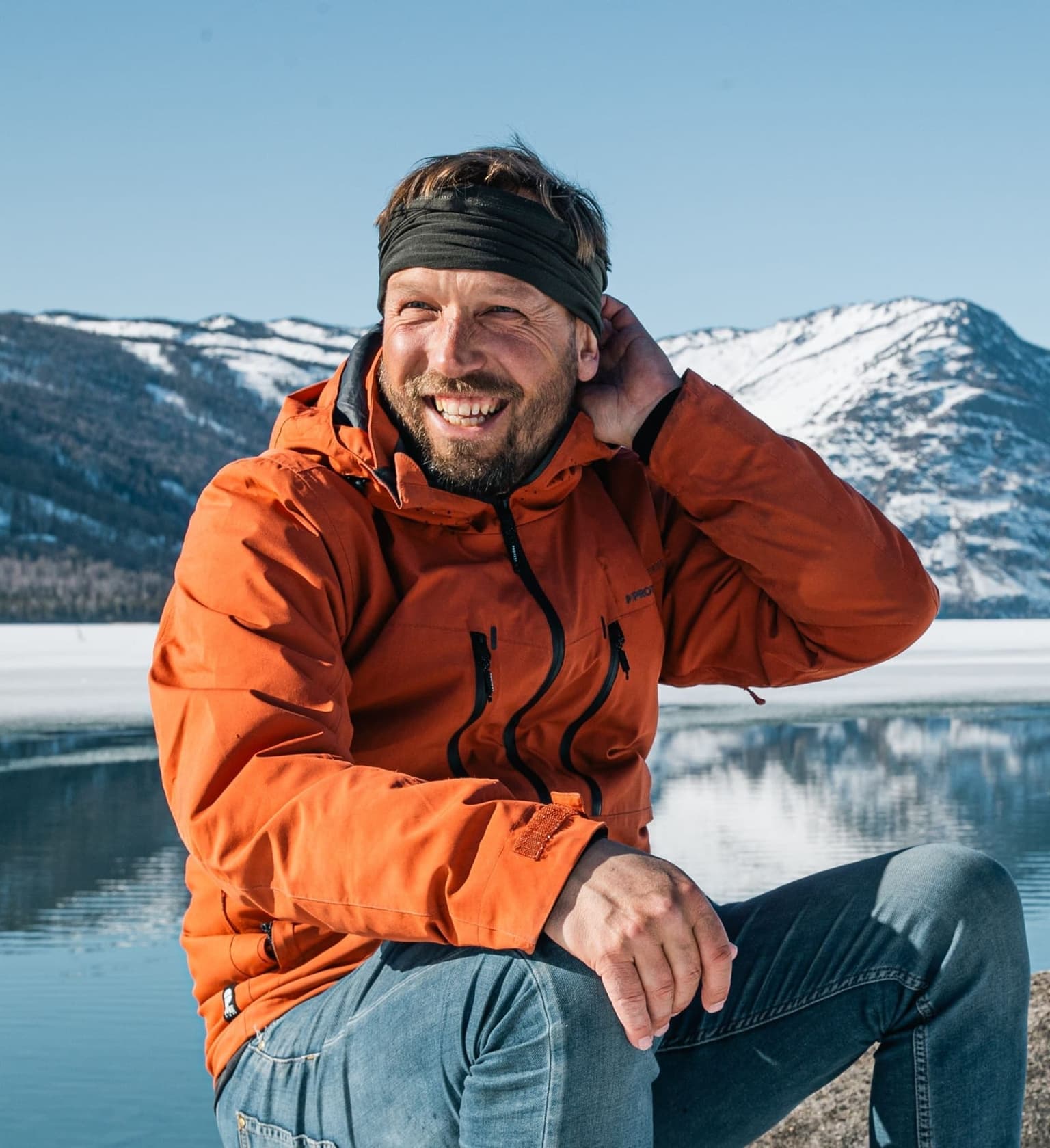
The founder on why this corridor matters, what kind of travel Silk Road Freeride is building, and the line between tourism and genuine presence.
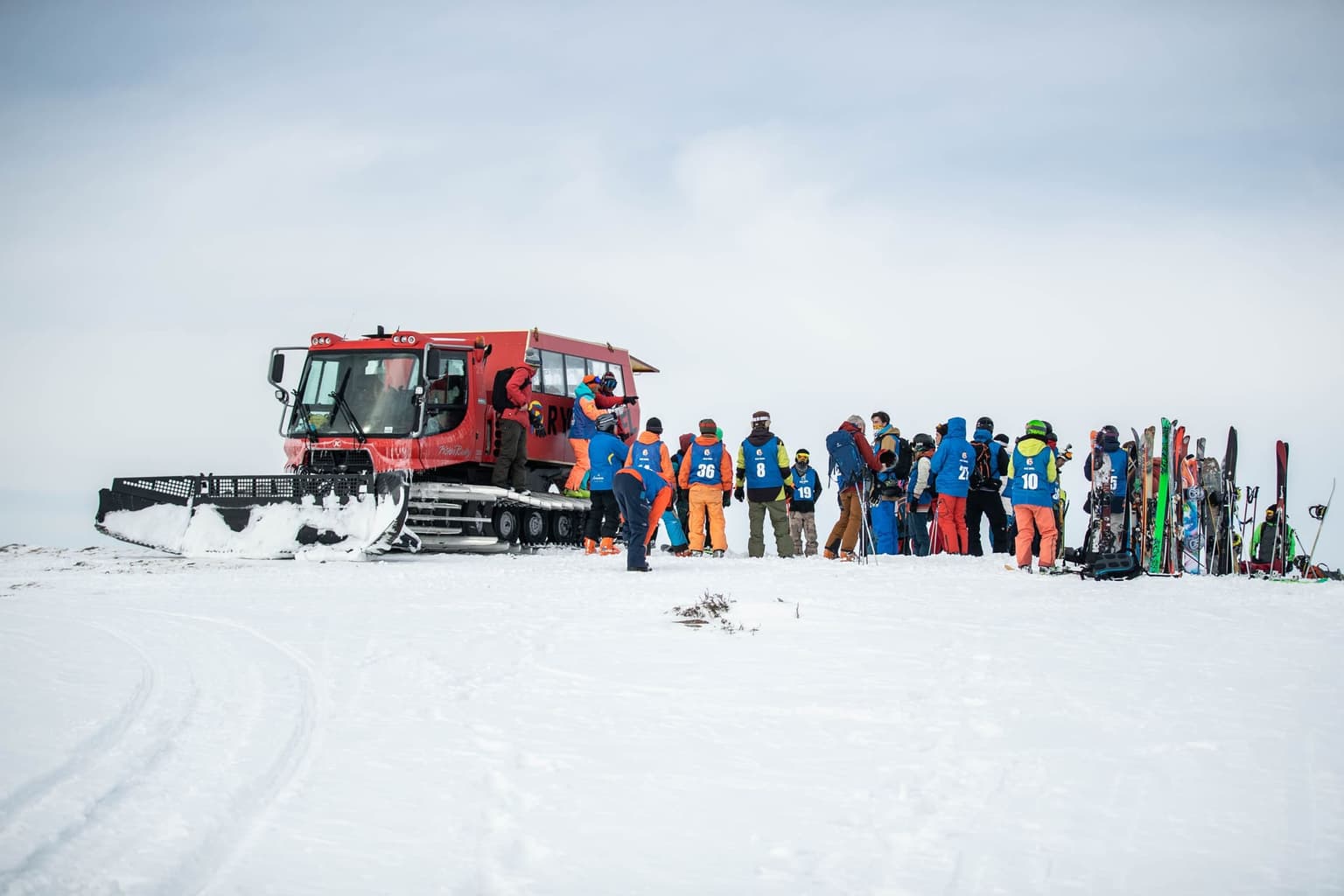
In 2019, when Maksat and I started talking about what Silk Road Freeride could become, the first thing we agreed on was simple: the terrain along this corridor has been hiding in plain sight. Kyrgyzstan, Georgia, the broader Caucasus and Central Asian zones — these are not new mountains. They've been skied by local people for decades. They've been known to a small number of international riders who happened to find them.
What was missing was the structure that makes them accessible without flattening them into packaged products. That's the gap we're trying to fill.
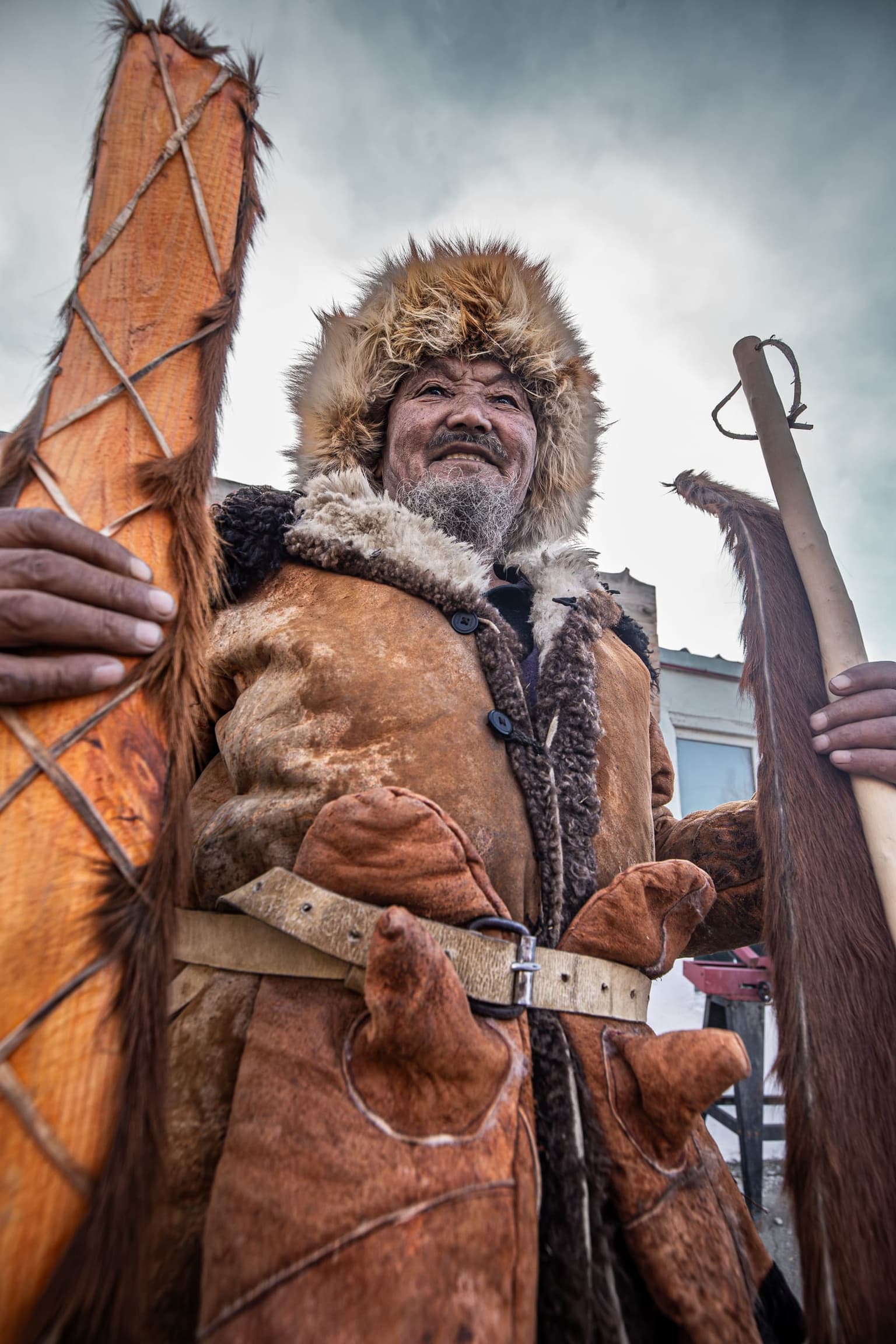
The difference between a packaged ski trip and what we're building isn't the terrain quality. It's the presence. When you travel with Silk Road Freeride, you're not arriving at a resort that was designed for tourism. You're arriving in a village that was already there. You're riding terrain that local guides have known for years. You're staying in guesthouses that serve the food they actually eat, not the approximation of local flavor that resort kitchens produce.
That's the part that matters to me. The terrain is the reason people come. The presence — being genuinely in a place rather than passing through a tourism product — is the reason they remember it.
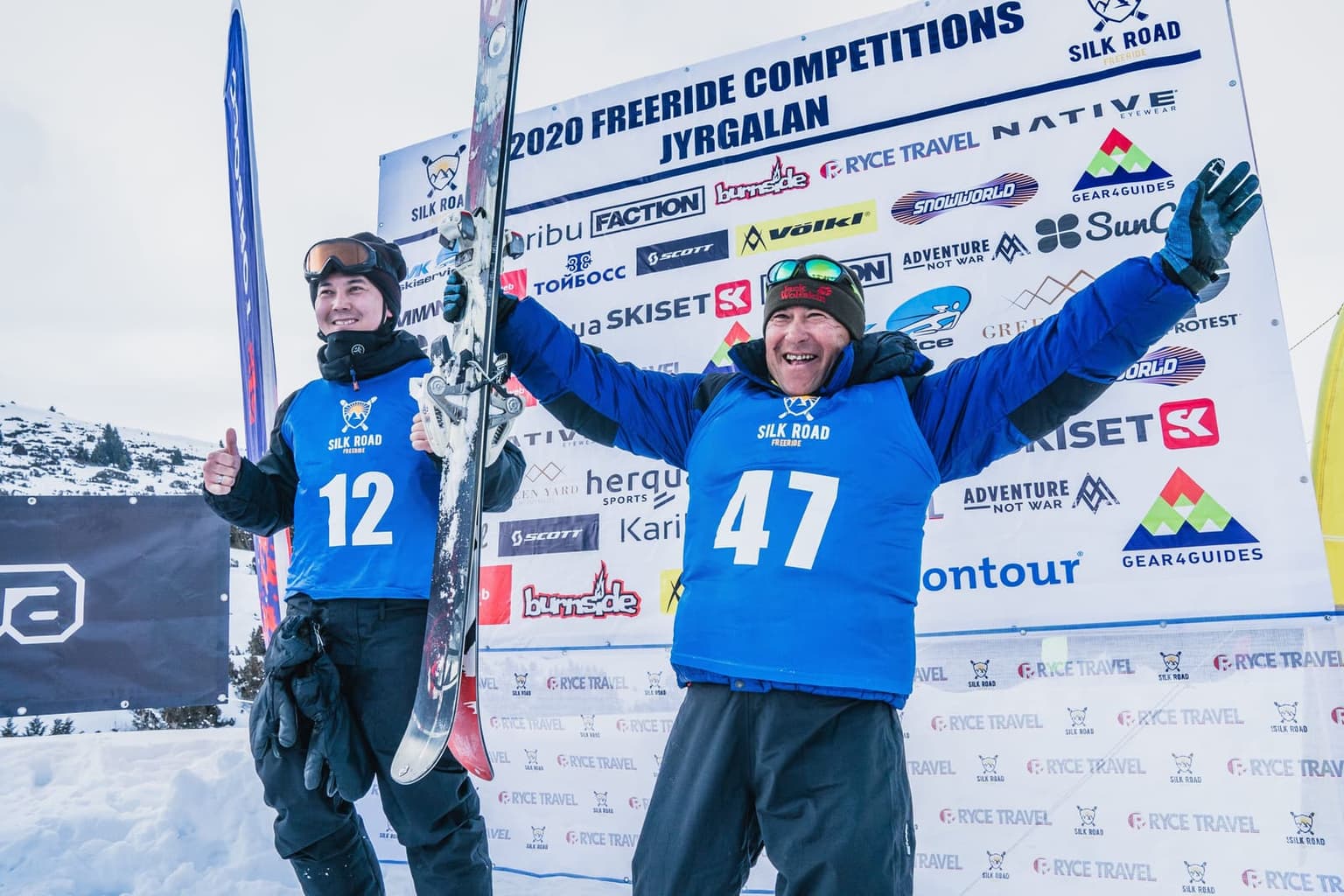
When Stacy Bare and Olaf Sueters joined the founding conversation, they brought the framework that made the idea operational. Stacy's work with Adventure Not War gave us the model for how mountain travel can serve local communities rather than extracting from them. Olaf's Gear4Guides experience showed us how to support local operators with the equipment and logistics that make genuine hosting possible.
The Freeride World Tour Qualifier Kyrgyzstan came out of that combination — a competition that brings international attention to the terrain while keeping the benefit with the people who live there. That's the prototype for what we want to build across the corridor.
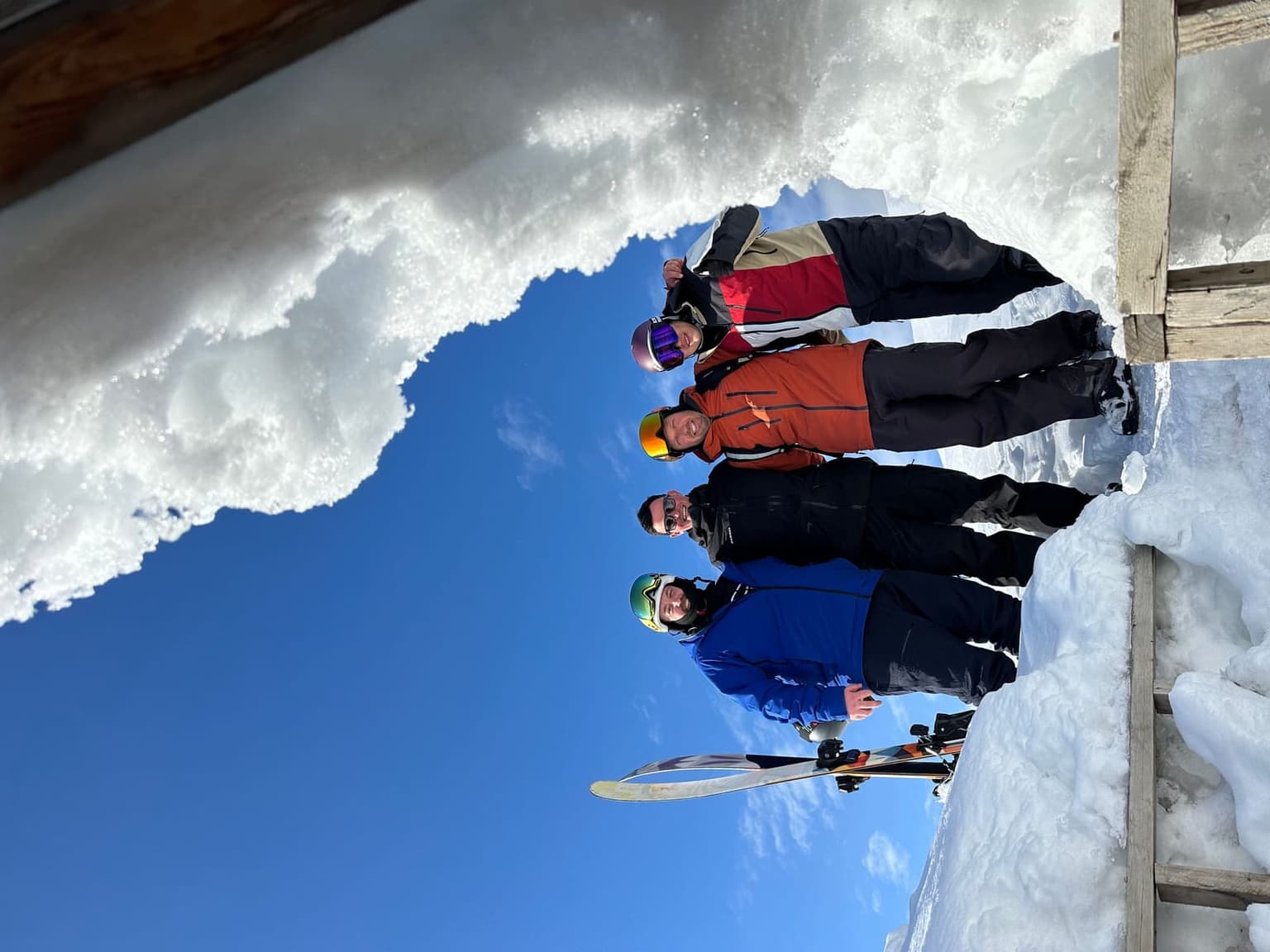
There's a line between tourism that serves a place and tourism that reshapes it. We're trying to stay on the serving side. That means working with local guides, not replacing them. It means building trips that contribute to local economies rather than creating enclave infrastructure that bypasses them. It means treating the mountains as something that already exists, not as something we're inventing for international consumption.
That line is hard to hold. Growth makes it harder. The pressure to scale, to add infrastructure, to make the travel experience more convenient — that pressure is constant. The thing I think about most is how to grow without crossing that line.
If you're thinking about traveling with us, the question I'd ask is this: what kind of presence do you want? If you want polished convenience, there are better options. If you want terrain intensity, cultural depth, and the sense that your trip is genuinely connected to the place you're visiting — that's what we're building.
The Silk Road corridor has been hiding in plain sight for too long. The terrain deserves to be shared. The people who live there deserve to benefit from that sharing. That's the balance we're trying to hold. Everything else follows from that.
Peter Hofman
Long-term vision